São Paulo's Japanese Kitchens Now Speak in Two Languages
Condé Nast Traveler surveys a city with 3,000 Japanese restaurants, where Amazonian river fish meets saikyo yaki at Aizomê and a $268 omakase at Kanoê holds the classical line.
A place rather than a single business. What the season does to it, how to travel it, and which way the money is moving.

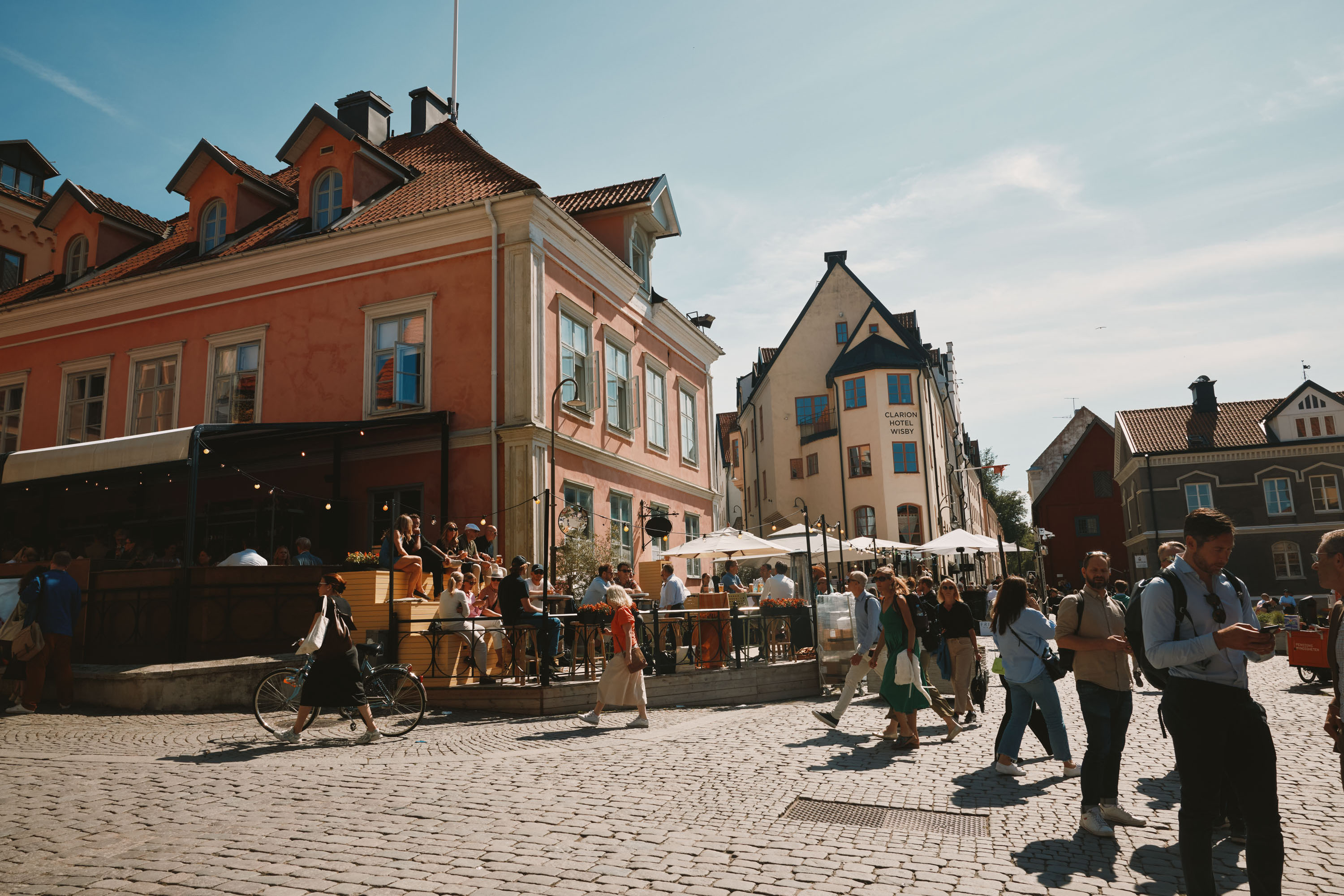
Suitcase sends Stockholm photographer Petter Bäcklund back to the Baltic islands of Gotland and Fårö, where September light, farm shops and a 19-room former limestone refinery shape a short, slow season.

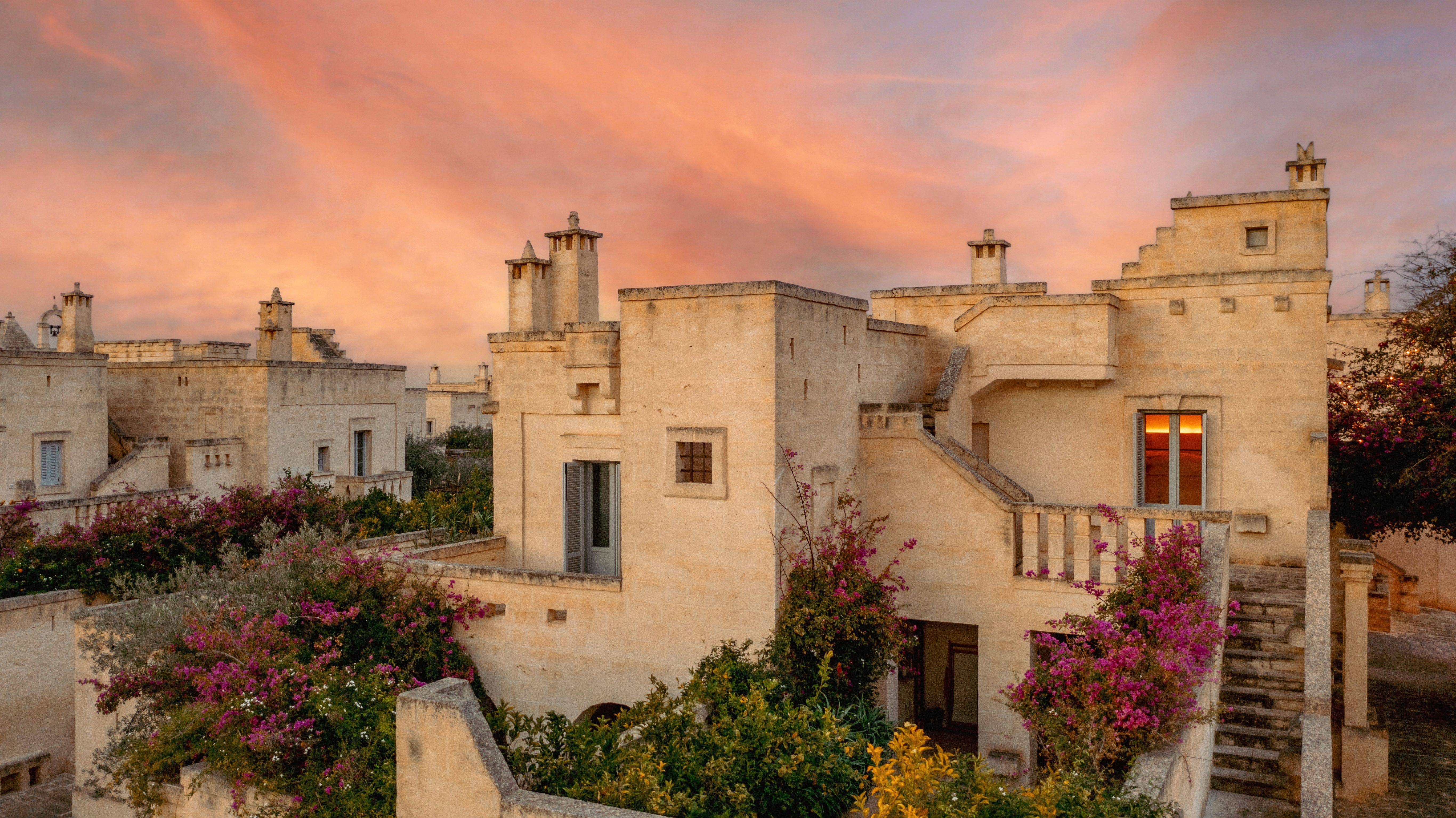
When August ends, Puglia doesn’t close for the season. The Adriatic is still warm, the masserie settle back into their rhythm and the towns of the Valle d’Itria become places to wander rather than navigate around crowds. September may be the better version of an Italian summer.

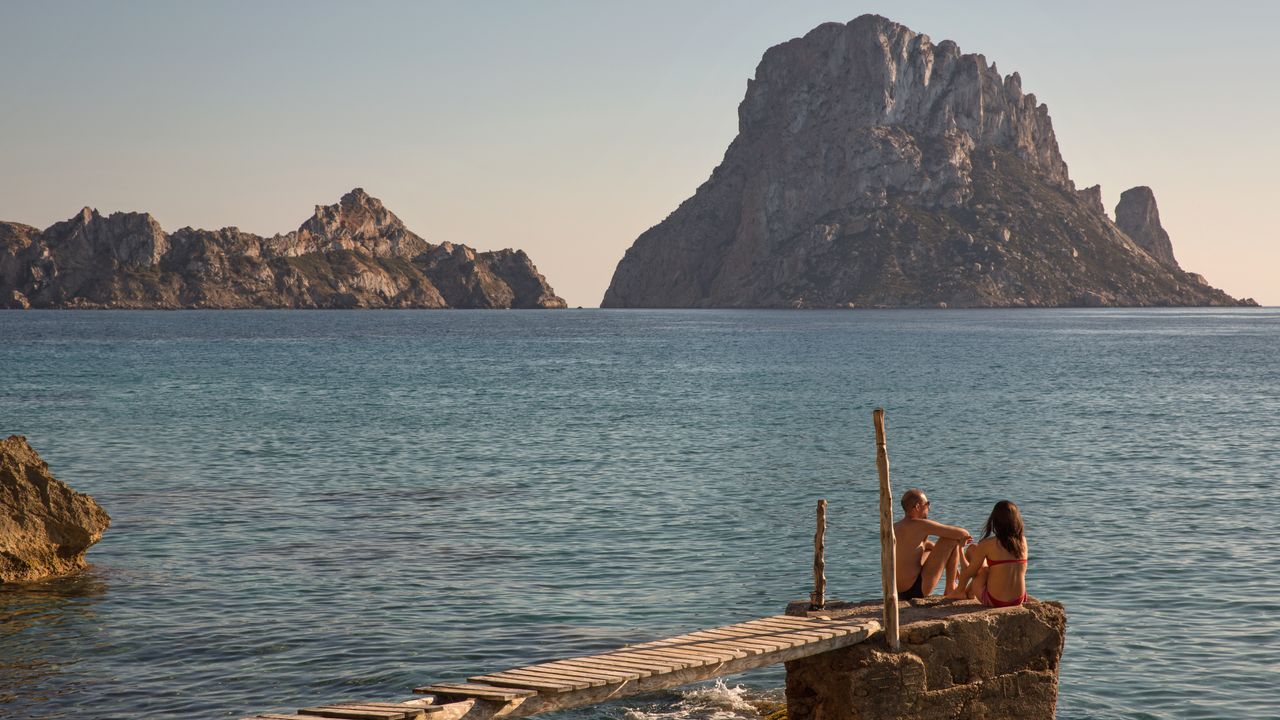
In Ibiza and Saint-Tropez, summer now comes with advance reservations, drivers on standby and an expanding set of written and unwritten rules. The appeal of the Mediterranean’s quieter corners is becoming increasingly simple: they still leave room for spontaneity.

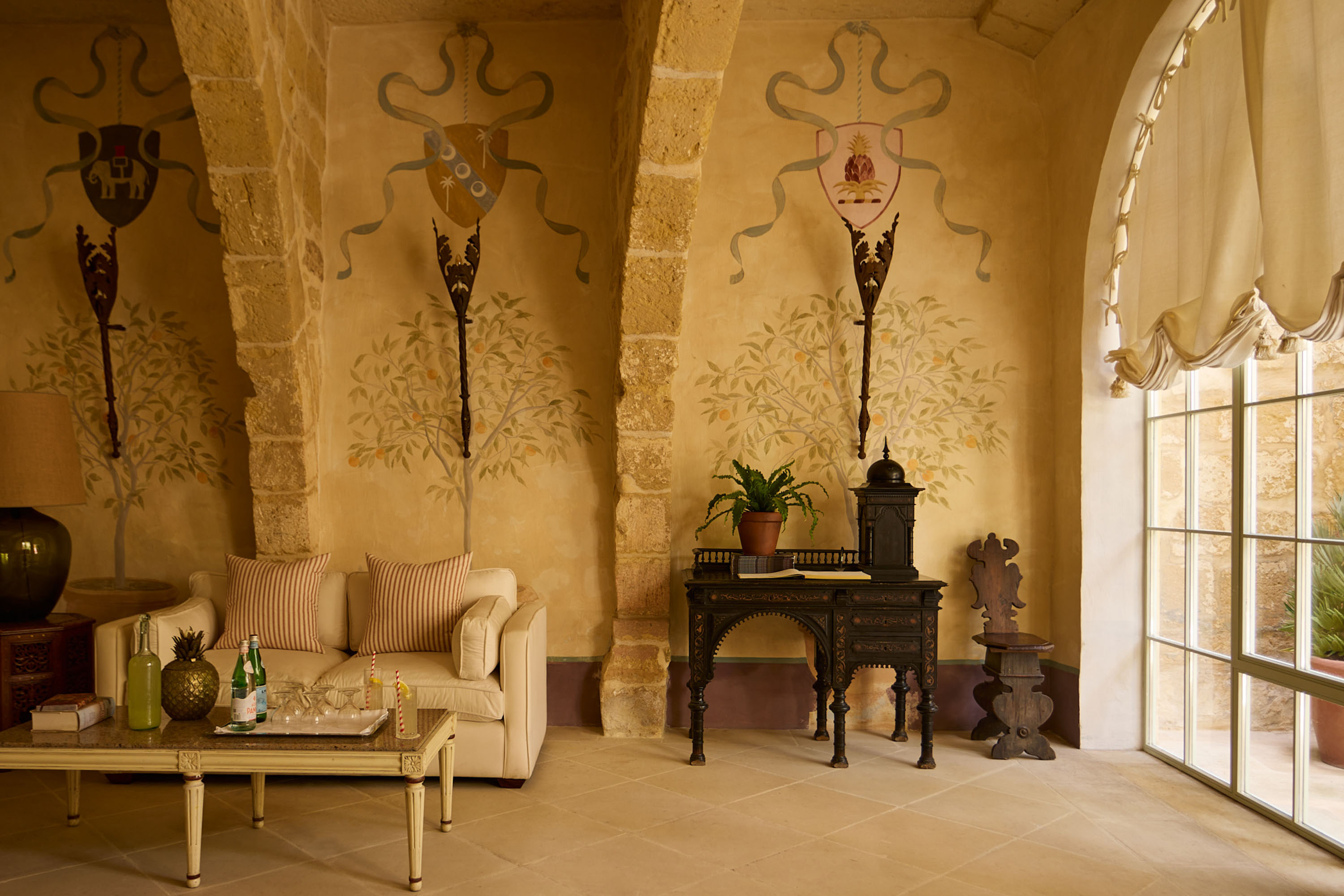
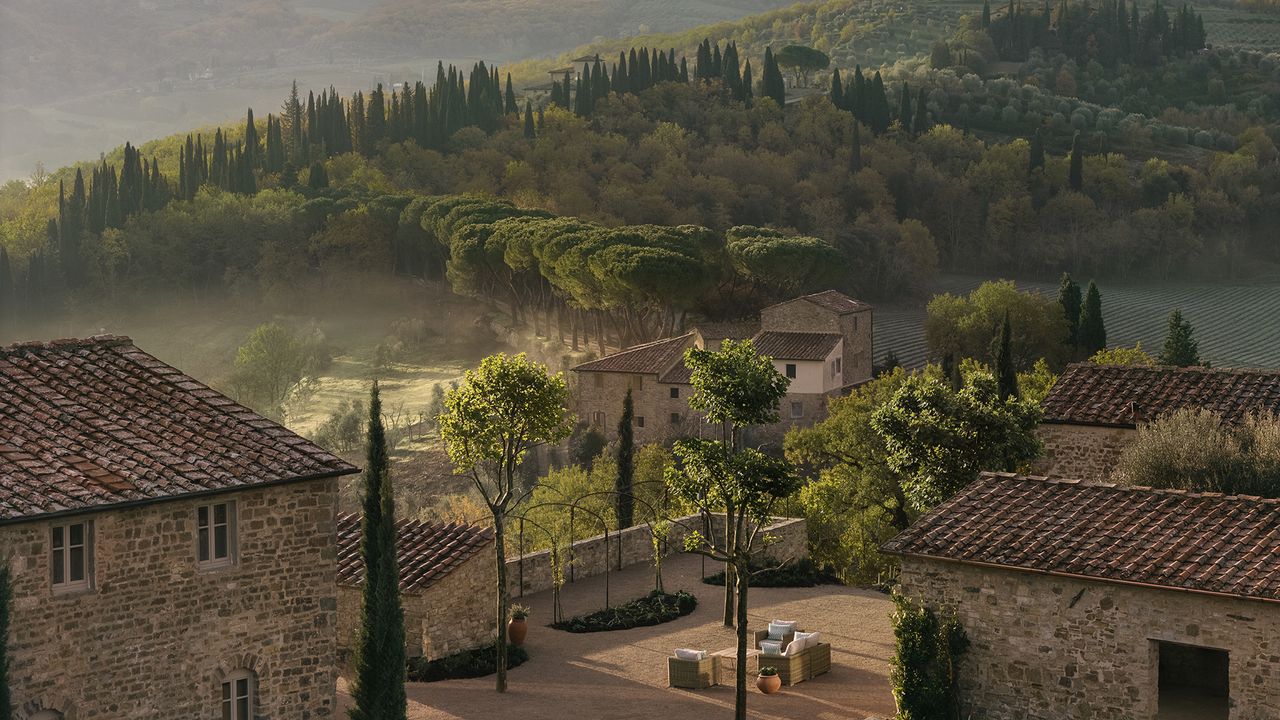
Tuscany’s great estates have become destinations in their own right, complete with restaurants, farms, spas and enough programming to make leaving entirely optional. The best of them understand that this is precisely the danger.

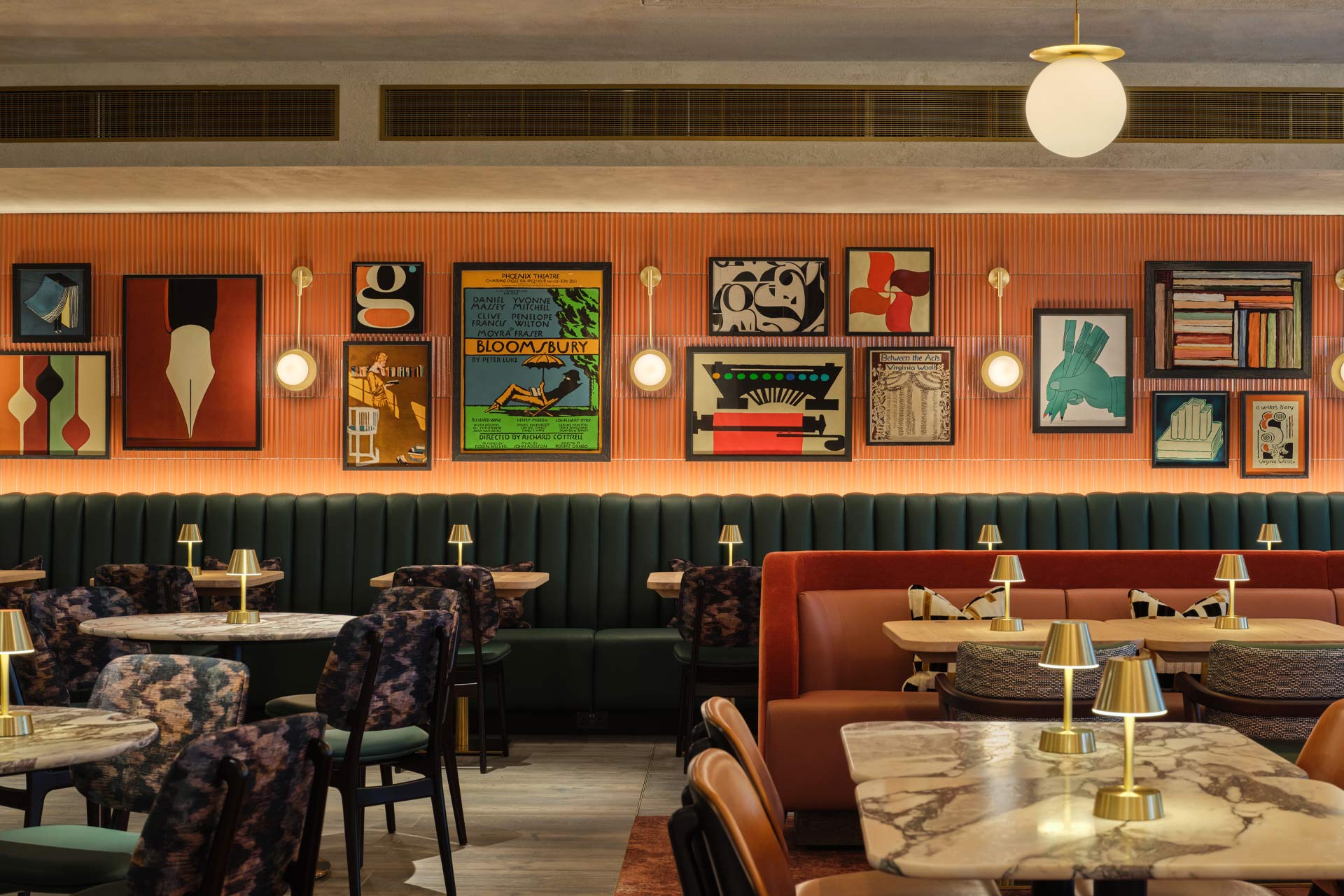
Bloomsbury's Imperial has reopened after a ten-year rebuild that celebrates the concrete that replaced its Victorian original. Around the corner, the Kimpton Fitzroy has redecorated. In Piccadilly, Fattal has simply bought the lease.

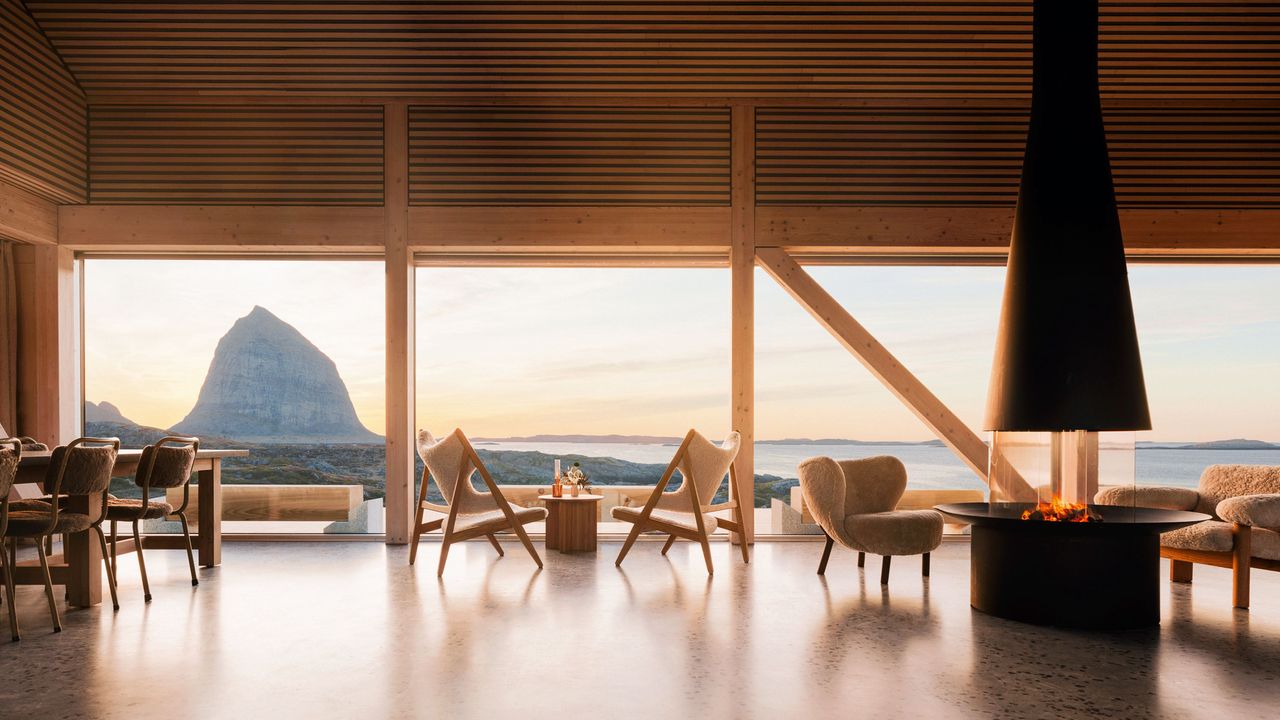
In Skopelos and Norway’s Træna archipelago, getting there still takes some effort. As Ibiza builds increasingly sophisticated ways to escape its own crowds, these smaller islands suggest that the most valuable luxury may be something a hotel cannot manufacture: a natural limit on how many people arrive.

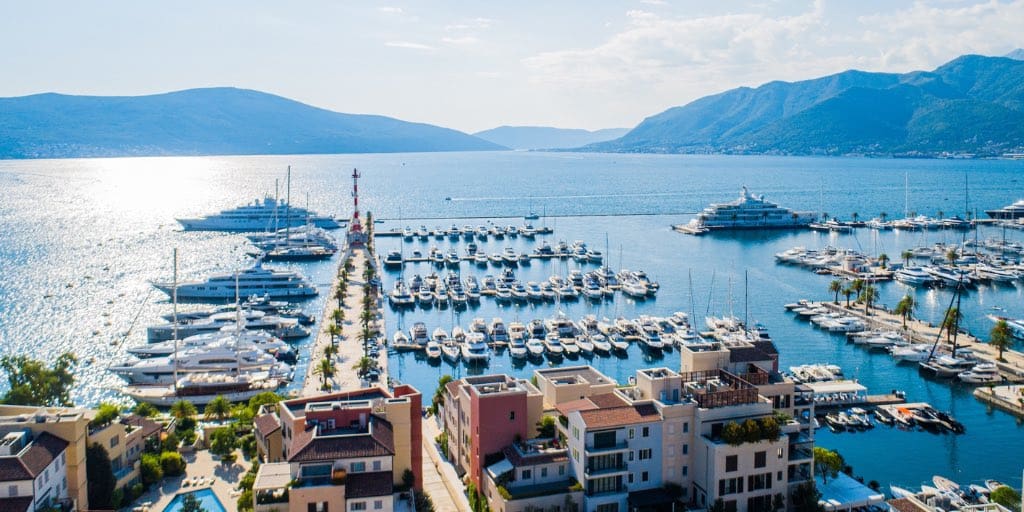
Montenegro is quietly emerging as one of Europe's most compelling luxury destinations. New hotels, branded residences and waterfront developments are transforming the country, while medieval towns, dramatic mountains and the Adriatic coastline preserve the authenticity that first made Montenegro a hidden gem.

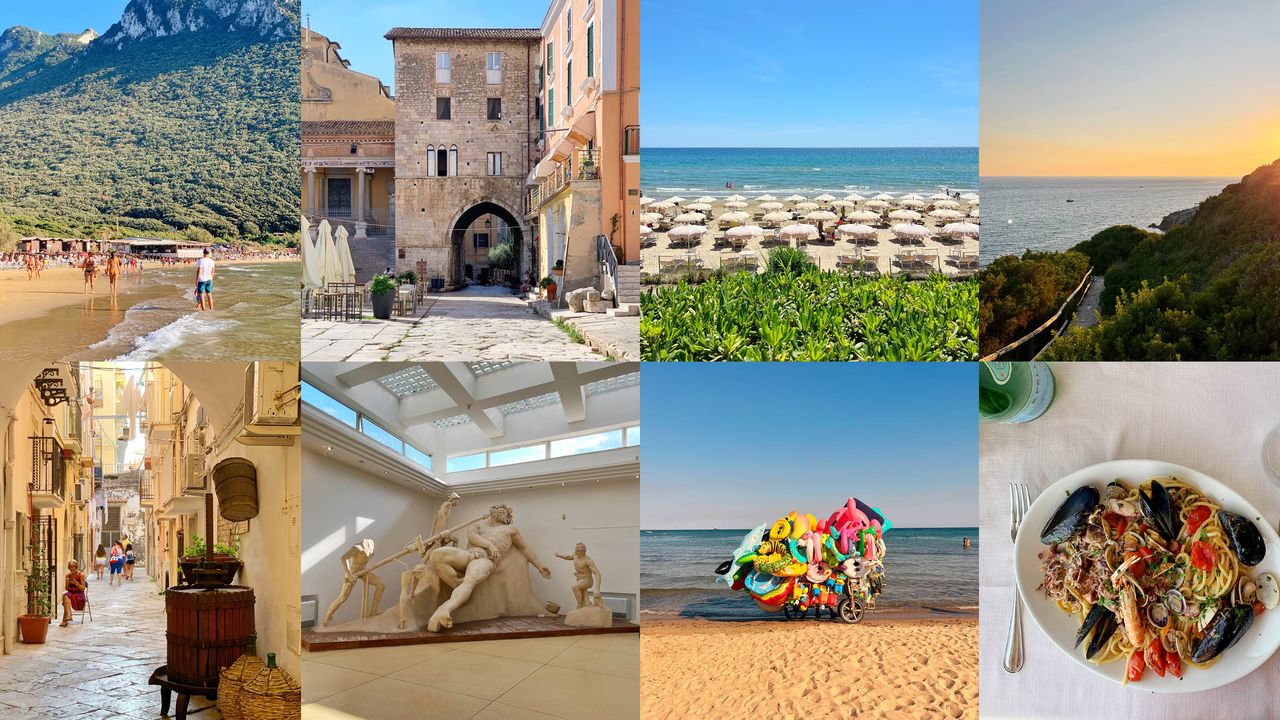
The 46-mile coast between Monte Circeo and Gaeta has no luxury resorts, which is precisely why Romans keep it. A case for stringing it together with Ponza, Procida and Stromboli, and a hard look at what the Aegean packages are actually selling.

The film festival is the town's advertisement. High summer is the town as it actually functions: market cooks at dawn, ferries to the Lérins, and a fireworks soundtrack piped through a boat radio.

Ninety-four keys on six hectares above Kalo Livadi, designed by Nicos Valsamakis, confirm what Bill&Coo has been arguing for a decade: Mykonos is now a resort island. The people who set the taste, meanwhile, have gone to Patmos.

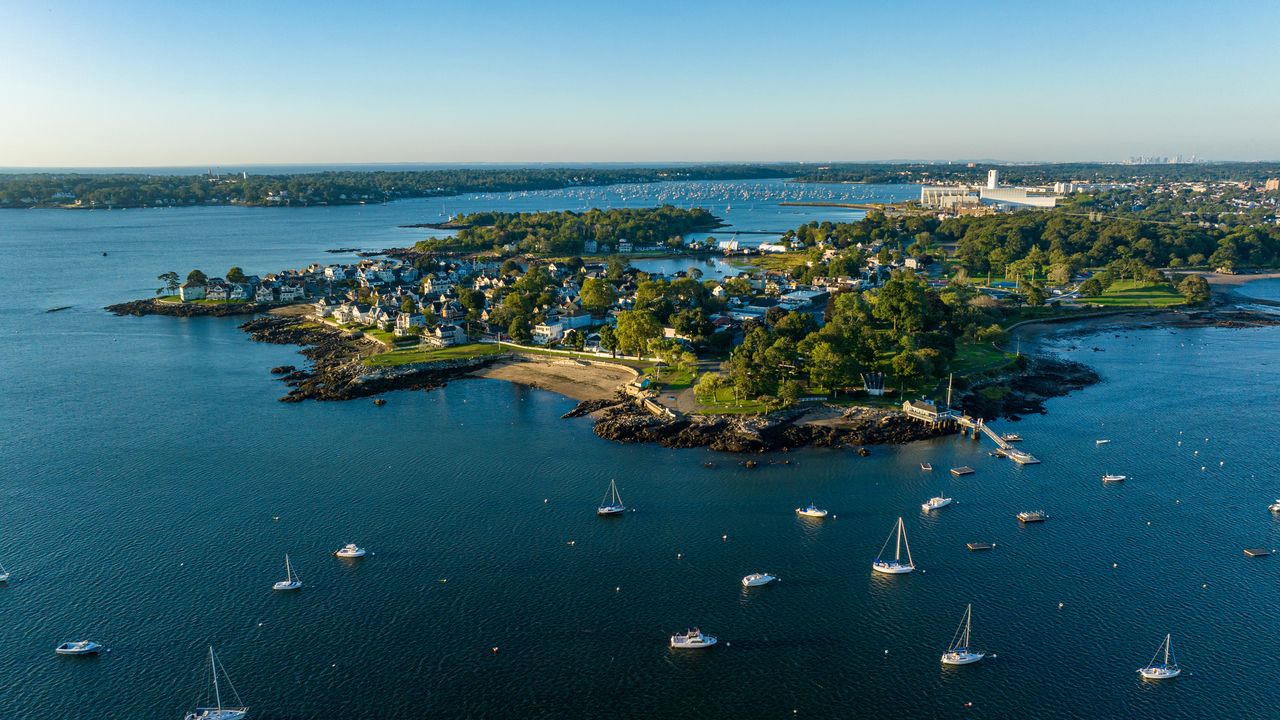
Massachusetts's commuter harbours, an island that empties in September and a Portland hotel scene that has finally caught up. Read as one corridor rather than three separate trips, New England's summer coast rewards precise timing more than budget.

Twenty-nine rooms in North Beach, 262 in Santa Monica, butler-delivered pina coladas in San Juan and a Great Lakes pitch with no hotels attached. The domestic shoreline is absorbing serious money, and not where you would expect.

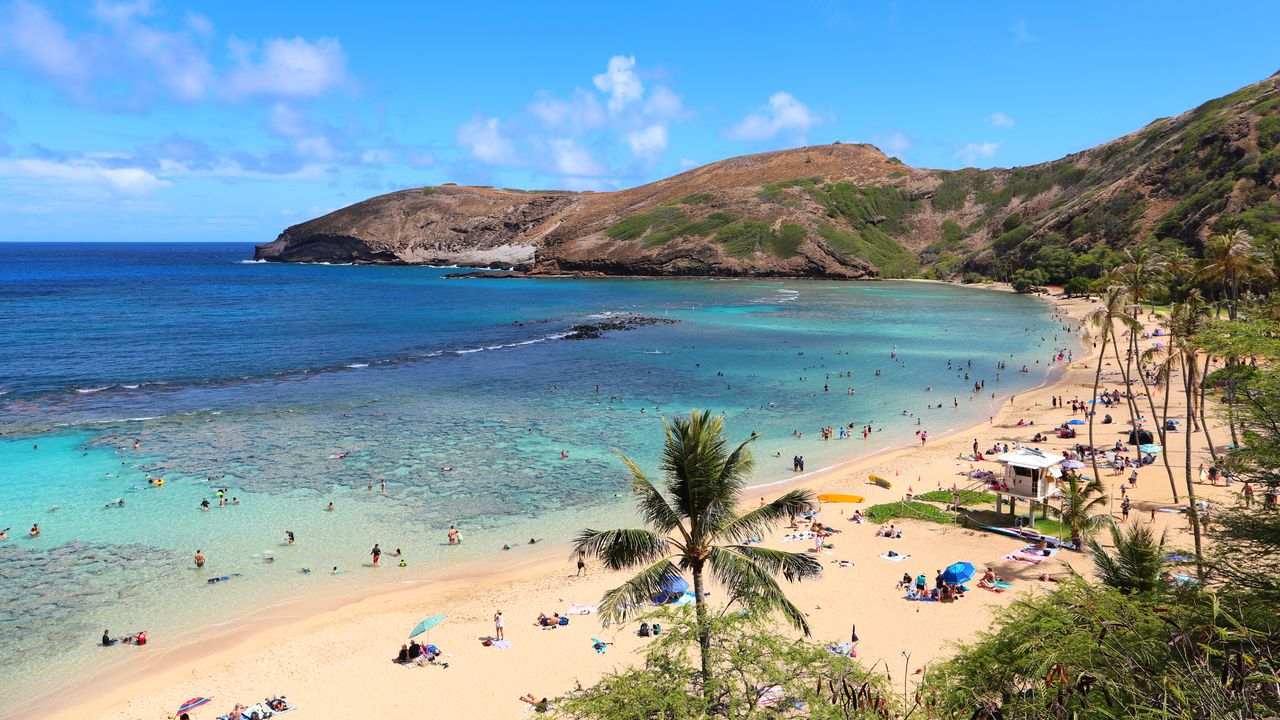
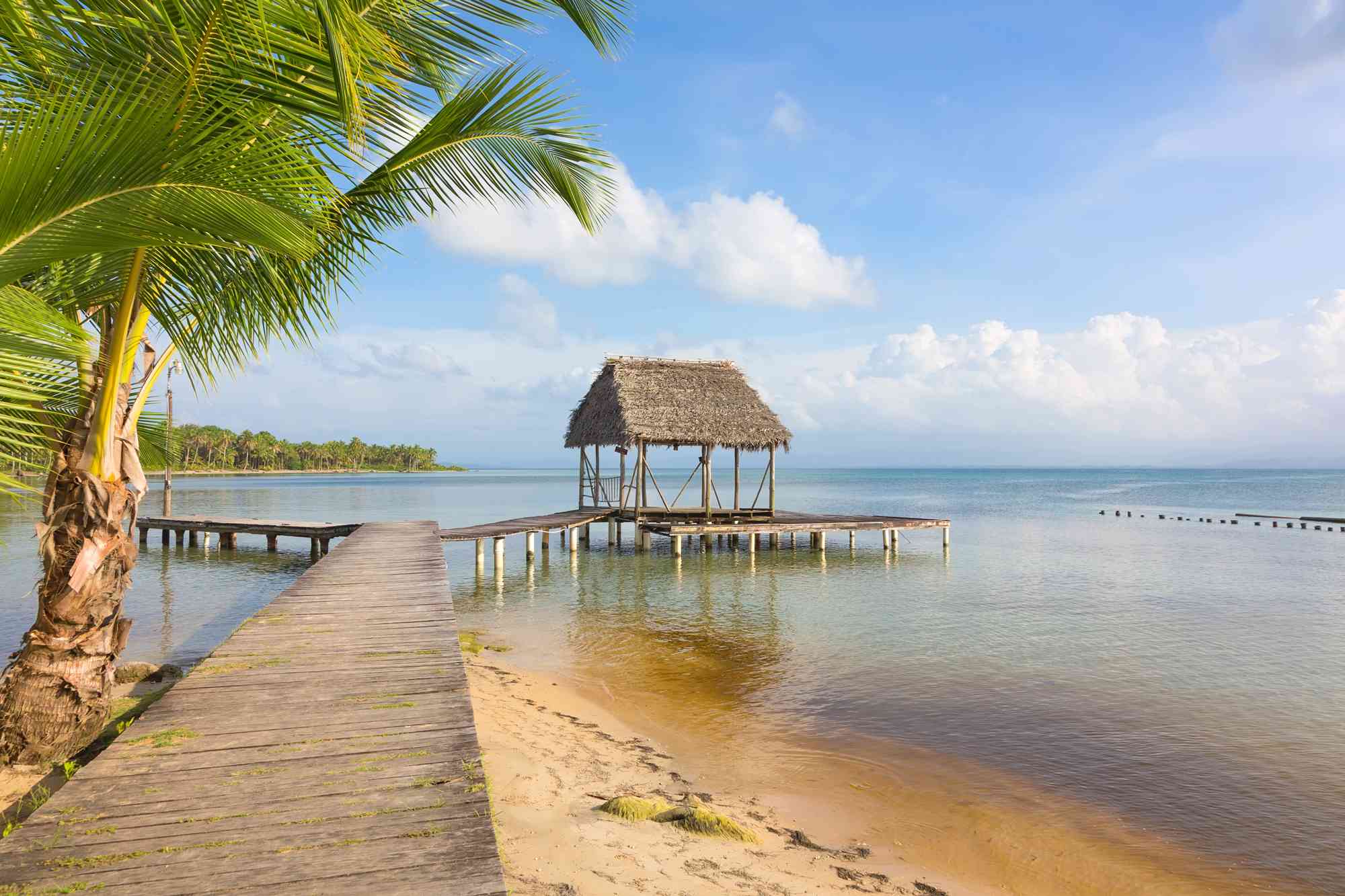
Providenciales is closing on two million visitors a year. Eight point two square miles away, South Caicos has two luxury hotels and no public transport. Panama's Bocas del Toro is one stage behind, and Hawaii's Kohala Coast shows how the story ends.

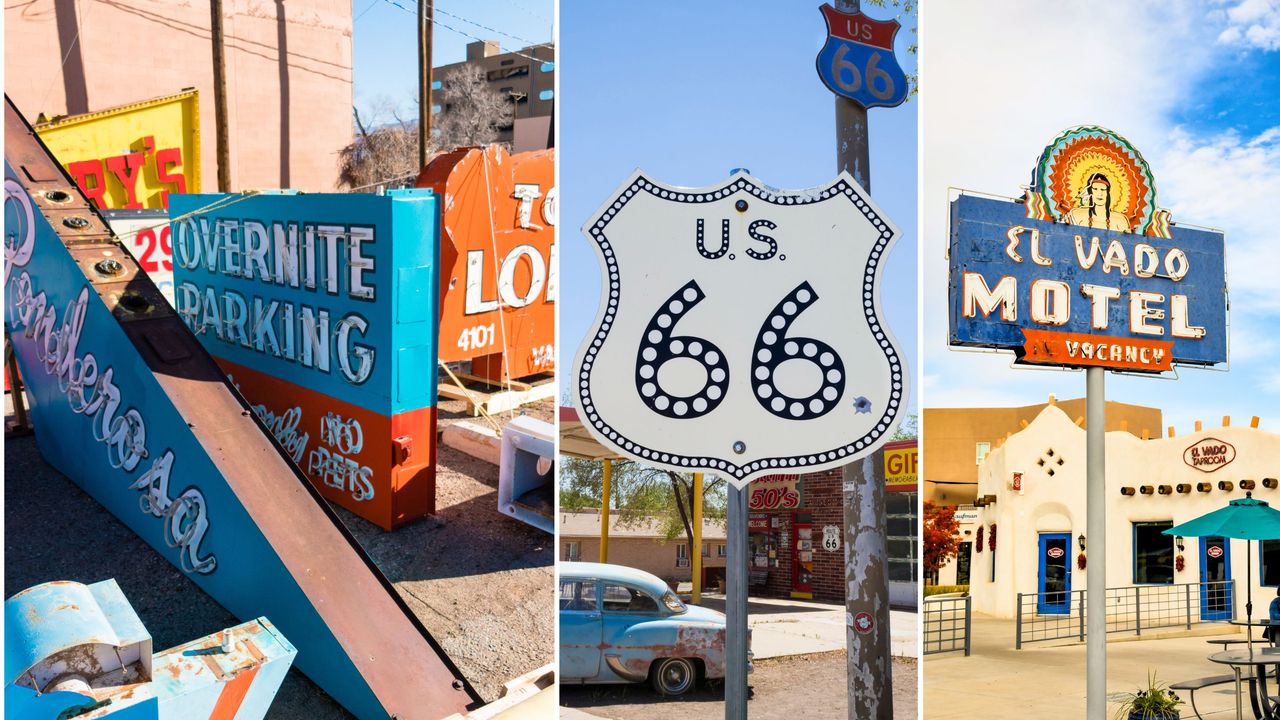
Albuquerque holds more urban miles of the Mother Road than anywhere in America, and the only sane way to read them is on foot. Add Zion's calendar to the argument and a pattern emerges: in the Southwest, when and how fast now matter more than where.

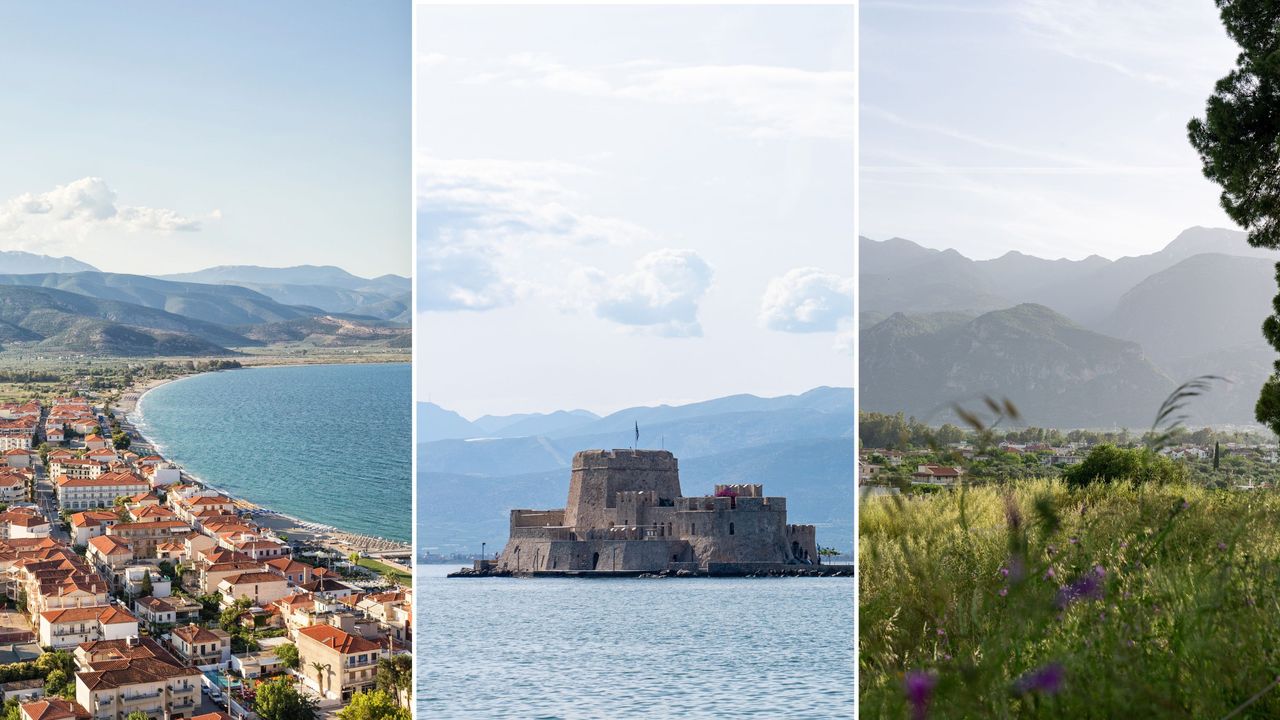
A 1,200-mile trail network, a Bronze Age dialect on the street signs of Leonidio, a November running festival at Costa Navarino: the country's most interesting new product is happening away from the caldera.

Minor Hotels has set a 2030 opening for a 54-key Anantara retreat and 50 branded residences in Türkiye's Aegean, part of a wider shift towards Malta, inland Mallorca and Ischia.

The Foreign Office lifted its warning against travel to the UAE in June, then twice reworded it. For visitors at the top of the market, the material difference is insurance - and a Marina skyline that kept building throughout.
New destinations, hotel openings and what our editors thought of them. Written for people who travel slowly.