The Refit Cycle: Why Luxury Hotels Are Reinvesting Instead of Rebuilding
Hongkong & Shanghai Hotels has approved HK$2.1 billion to renovate The Peninsula Hong Kong and The Peninsula Tokyo, while projects in Shanghai and Palawan reflect the same strategic shift: in today's luxury market, the highest returns increasingly come from reinvesting in exceptional hotels rather than building new ones.
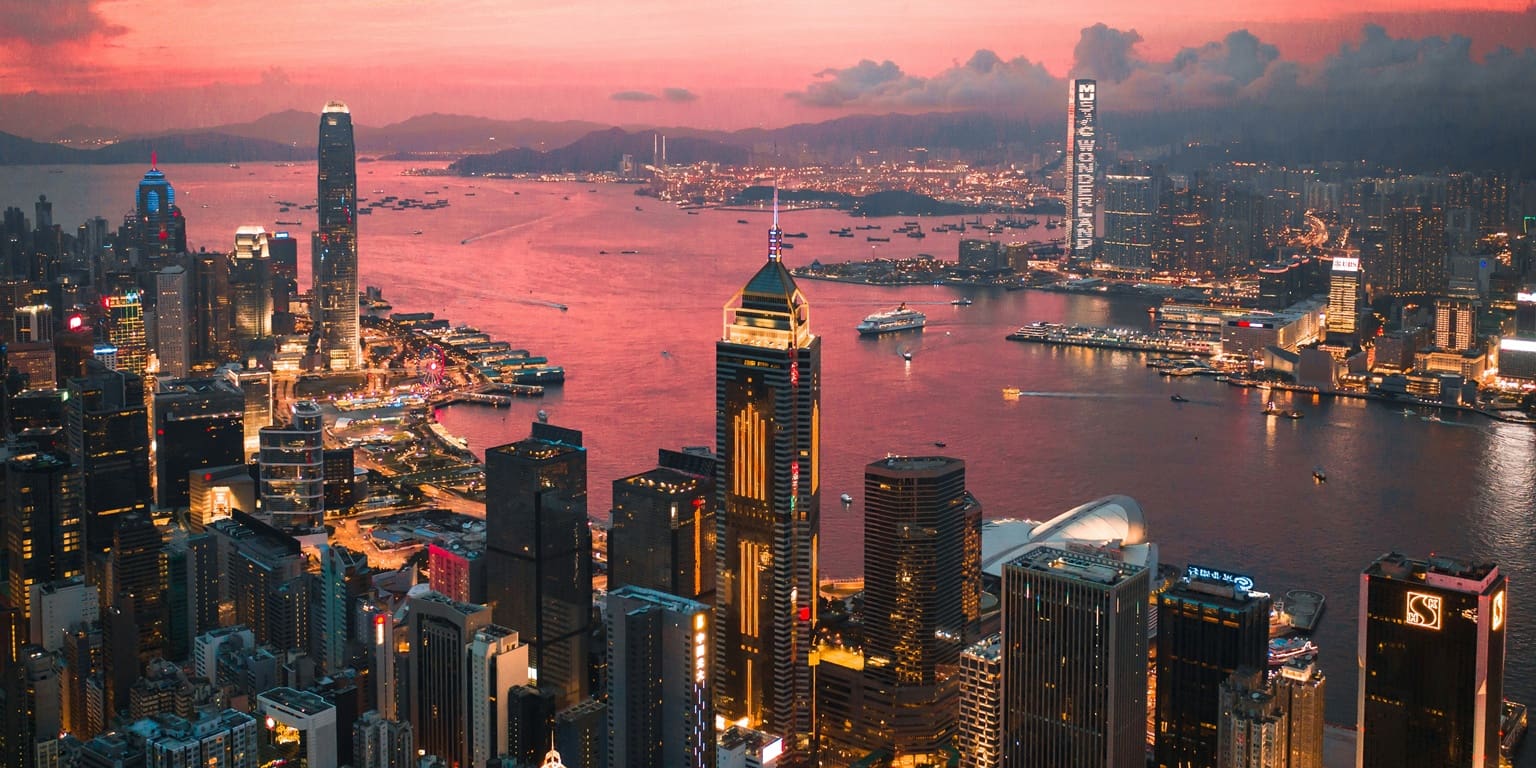
HK$2.1 billion is a remarkable amount of money to spend on hotels that already exist.
That is the decision Hongkong & Shanghai Hotels has made with The Peninsula Hong Kong and The Peninsula Tokyo, approving one of the largest reinvestment programmes currently underway in luxury hospitality. Spread across 586 guestrooms, the budget equates to roughly HK$3.6 million per key, or around US$457,000 before accounting for public spaces, infrastructure and back-of-house improvements.
The figure is significant because, in Hong Kong or central Tokyo, that level of investment would not come close to developing a comparable luxury hotel today. In many cases, it would barely secure the land beneath it. For owners of irreplaceable landmark properties, reinvestment has become a more compelling strategy than expansion.
The decision follows a markedly stronger first half for Hongkong & Shanghai Hotels. The group returned to profitability with a HK$23 million surplus after posting a HK$289 million loss during the same period last year, while revenue increased 8 per cent to HK$3.53 billion and EBITDA rose 20 per cent to HK$772 million. Against that backdrop, management elected to direct capital towards its most valuable existing assets rather than announce another flagship development—a decision that says as much about today's luxury hotel economics as it does about the company's balance sheet.
The Peninsula Hong Kong illustrates why.
Opened in 1928, it remains one of Asia's defining luxury hotels, but even iconic properties cannot rely indefinitely on heritage alone. Luxury hotels compete on service, certainly, but they also compete on how contemporary they feel. Bathrooms, lighting, in-room technology, wellness facilities and suite layouts all influence whether a hotel can continue commanding premium rates against newer competitors. More than a decade after its last major renovation in 2013, the Peninsula has reached the point where careful reinvestment is less about modernisation than protecting one of hospitality's most valuable brands.
The Peninsula Tokyo presents a different challenge. Opened in 2007, it is still a relatively young building, yet many luxury hotels reach their first significant refurbishment cycle after two decades. Mechanical systems may continue performing well, but finishes, guest expectations and room configurations evolve far more quickly. Refreshing the property now allows the hotel to remain competitive without waiting for the asset to feel dated.
Together, the two projects reveal a broader shift in capital allocation. Rather than pursuing growth through constant development, established luxury hotel groups are increasingly investing in the properties that already generate the strongest returns. In gateway cities where development sites are scarce and construction costs continue to rise, upgrading an existing flagship often represents a more attractive long-term investment than building a new hotel from scratch.
Other projects across Asia-Pacific reflect the same philosophy on a different scale.
At The St. Regis on the Bund in Shanghai, the investment has focused on the hotel's luxury suites rather than a full-property renovation. By concentrating resources on the highest-value accommodation, the hotel strengthens its premium offering while avoiding the disruption and cost of rebuilding every guestroom.
Lagen Island Resort in Palawan demonstrates another version of the strategy. Rather than demolishing and rebuilding the 42-key resort, the renovation retained much of the existing structure while introducing new guestrooms, public spaces and a redesigned spa. Preservation became both a design decision and a financial one, recognising that environmental sensitivity, construction costs and destination authenticity increasingly shape luxury hospitality.
These projects differ in scale, budget and execution, but they point towards the same conclusion. Luxury hospitality is entering a reinvestment cycle. As construction becomes more expensive and exceptional sites become harder to secure, the industry's most valuable competitive advantage is no longer simply opening new hotels. It is ensuring that the landmark hotels brands already own remain among the best places in the world to stay.