MUJE Opens With the Room Fully Explained—and the Menu Still Unwritten
Luxury restaurants have traditionally introduced themselves through the menu. MUJE, the new Manhattan restaurant from three-Michelin-star chef Jungsik Yim, is taking the opposite approach. Before revealing what guests will eat, it has revealed how they will feel—suggesting that, in contemporary fine dining, atmosphere has become the opening course.
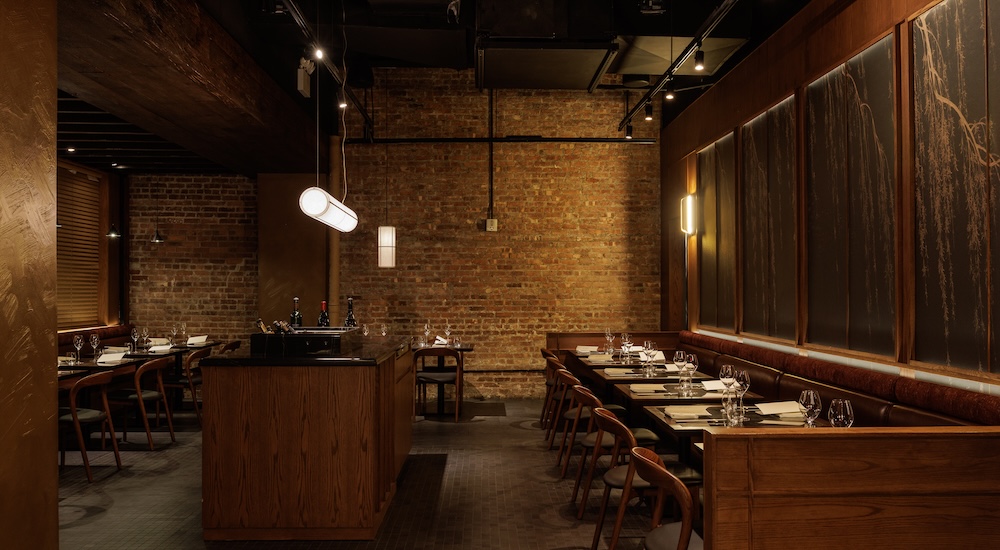
There was a time when a restaurant announced itself through the menu. The chef came first. Then the ingredients, the tasting format and the signature dishes that would define the experience. The dining room mattered, but it existed to support the cooking rather than tell the story. Today, that sequence is beginning to reverse. Before diners know what will be served, they already know how the room will feel. The lighting has been considered. The music has been chosen. The materials have been specified. Architecture has become the first expression of hospitality, setting expectations long before the first plate reaches the table. MUJE, the new restaurant from Jungsik Yim in Manhattan's Garment District, is one example of that reversal. Hospitality Design's first look at the project says very little about the food. Instead it concentrates on the environment around it. The restaurant occupies 2,225 square feet with 48 seats: six at the bar, twelve in the lounge and thirty across two dining rooms. For the chef behind Jungsik, the first and only Korean restaurant in the United States to earn three Michelin stars, that restraint reads as a decision rather than a constraint. Small restaurants demand precision. With only a handful of tables, every arrival changes the energy of the room. There is no crowd to disappear into and no excess space to absorb mistakes. Atmosphere becomes part of the service itself, shaped as much by proportion, lighting and circulation as by what arrives from the kitchen. MUJE appears to work on that assumption from the entrance onwards. Dark arched doors separate the restaurant from Midtown before revealing interiors layered with stained red oak, walnut millwork, charcoal granite, textured plaster and low, warm lighting. Olive and oxblood banquettes soften the architecture without becoming theatrical, while glimpses into the open kitchen create a sense of movement without turning dinner into performance. Nothing appears designed to compete for attention. That may be the most telling decision in the whole room. For much of the past decade, fine dining has often leaned towards spectacle. Dramatic interiors, elaborate plating and highly choreographed service became part of the attraction, producing restaurants designed to photograph as well as they dined. MUJE seems to be moving in another direction. Designed by the New York studio Two Point Zero, the restaurant favours atmosphere over novelty. It does not demand immediate admiration, choosing warmth, restraint and longevity over visual excess. The room doesn't ask to be photographed first. It asks to be sat in. The name carries the same argument. MUJE translates loosely as "untitled," reflecting Jungsik Yim's intention to create a concept that evolves rather than confines itself to a single culinary identity. He describes it as contemporary Asian cuisine shaped by seasonality, collaboration and curiosity, an open-ended brief that leaves the cooking to define itself over time. That restraint is becoming rare. The upper end of the industry has grown very good at explaining itself before guests arrive. Menus are teased months before opening. Signature dishes circulate across social media before the first reservation is seated. Every detail is released in the pursuit of anticipation. MUJE has taken a quieter route. It has introduced a mood before a menu, a point of view before a plate. Whether it becomes one of New York's defining restaurants will depend on the cooking. Interiors alone cannot build a lasting reputation. But Hospitality Design's preview points to a wider shift. Increasingly, restaurants introduce themselves through atmosphere before appetite, allowing architecture to establish a connection long before the first course arrives. Perhaps that is what luxury now means: a dining experience whose first course is the room.